
Enhance Grid Stability with Fast-Response Frequency Regulation
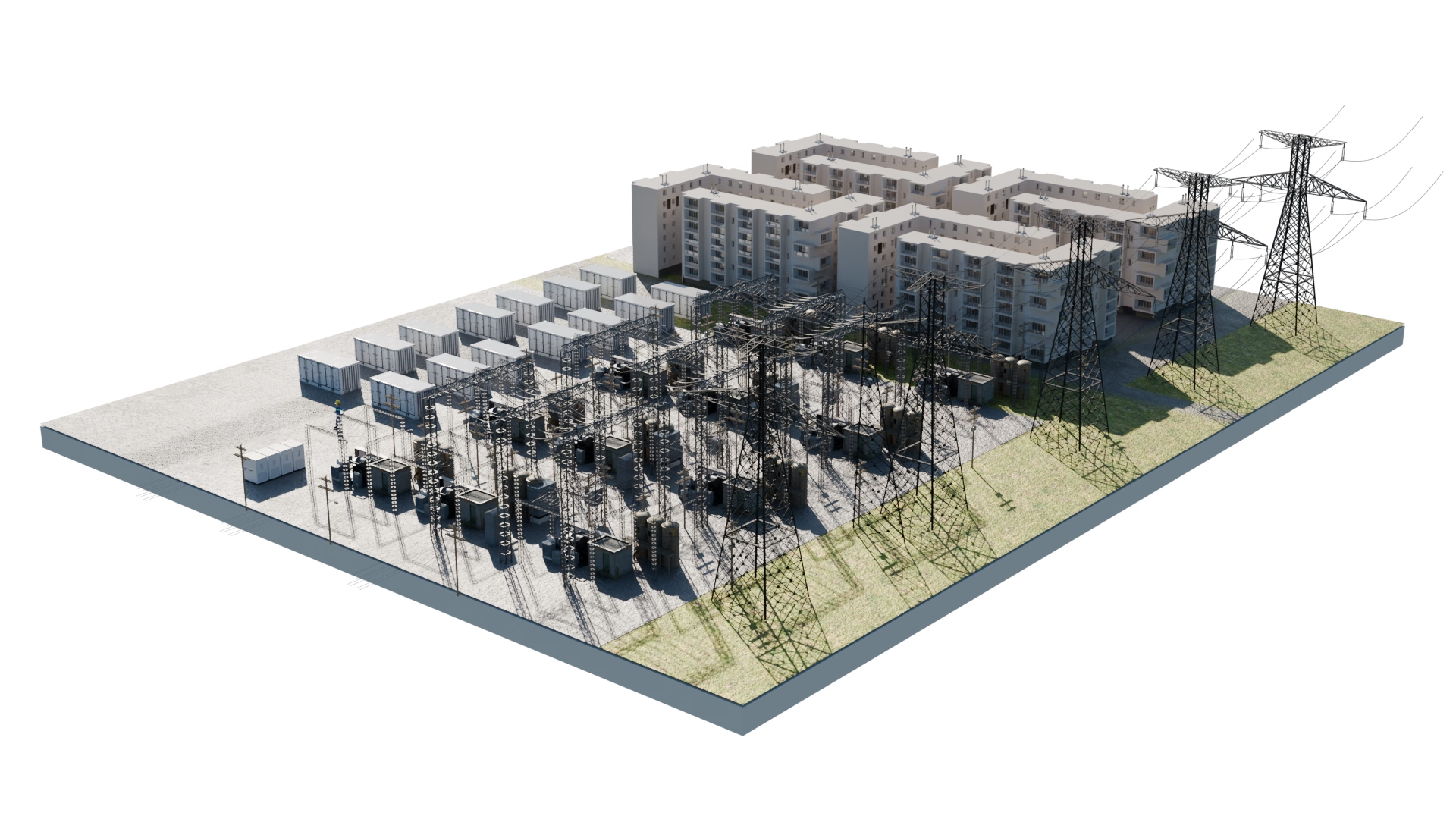
01 Substations Face Critical Frequency & Stability Challenges

Peak Demand Management: Substations must manage sudden demand spikes that strain capacity and increase the risk of voltage instability.
Grid Stability Risks: Variations in voltage and frequency caused by renewable fluctuations or rapid load changes can undermine grid reliability and power quality.
02 Related Product: ES5016 Liquid-Cooled BESS Container

ES5016 is specifically designed for large-scale energy storage power stations and substation scenarios. It internally integrates battery clusters, PCS converters, an EMS controller, a fire protection system, a temperature control system, and a distribution cabinet, supporting modular expansion. It supports core functions such as grid-connected frequency regulation, peak shaving, and demand management, and can seamlessly integrate with substation monitoring systems.
Get a Quote03 Renepoly Solution
Capacity Lease: Renepoly offers grid-scale battery storage capacity for lease, providing flexible support for frequency regulation and peak demand management.
Demand Response Participation: Our energy storage system (ESS) enables utilities to excel in demand response programs by enabling load shedding during critical periods to earn incentive payments.
Energy Trading & Arbitrage: The system optimizes energy arbitrage by charging during off-peak hours when electricity prices are low and discharging during peak hours to enhance grid stability while capturing trading revenue.
Project Checklist04 Related Project
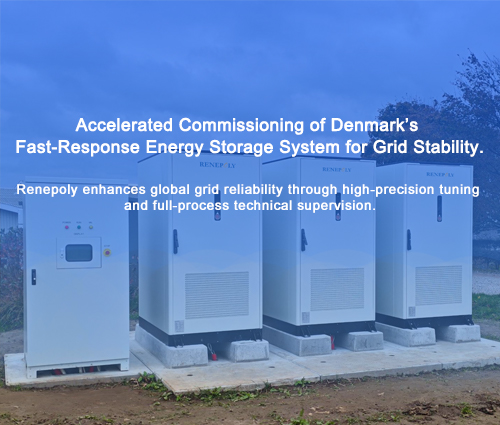
3MW/6.45MWh Frequency Regulation Energy Storage Project in Denmark, Europe
Configuration: 3MW/6.45MWh BESS (EGS215) + EMS Controller Set
Delivery Model: Engineering & technical consultancy, grid-connected BESS integration with cloud monitoring
Core Functions: Fast frequency response, peak shaving, enhancing grid stability under high renewable penetration
Know More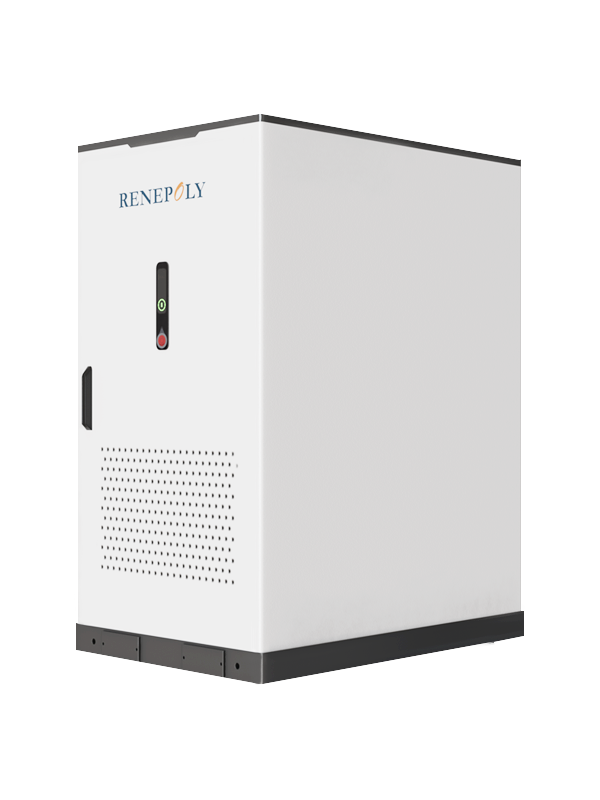
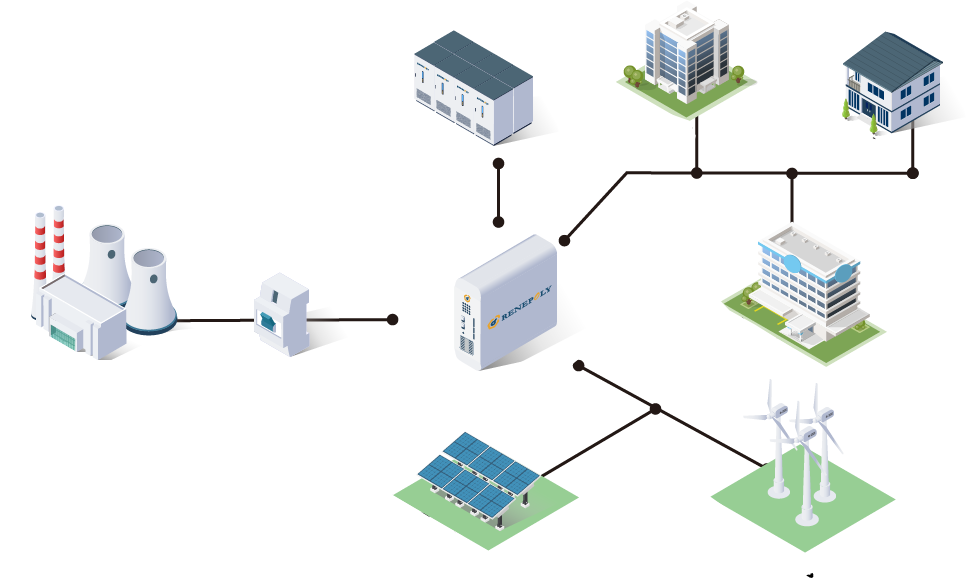
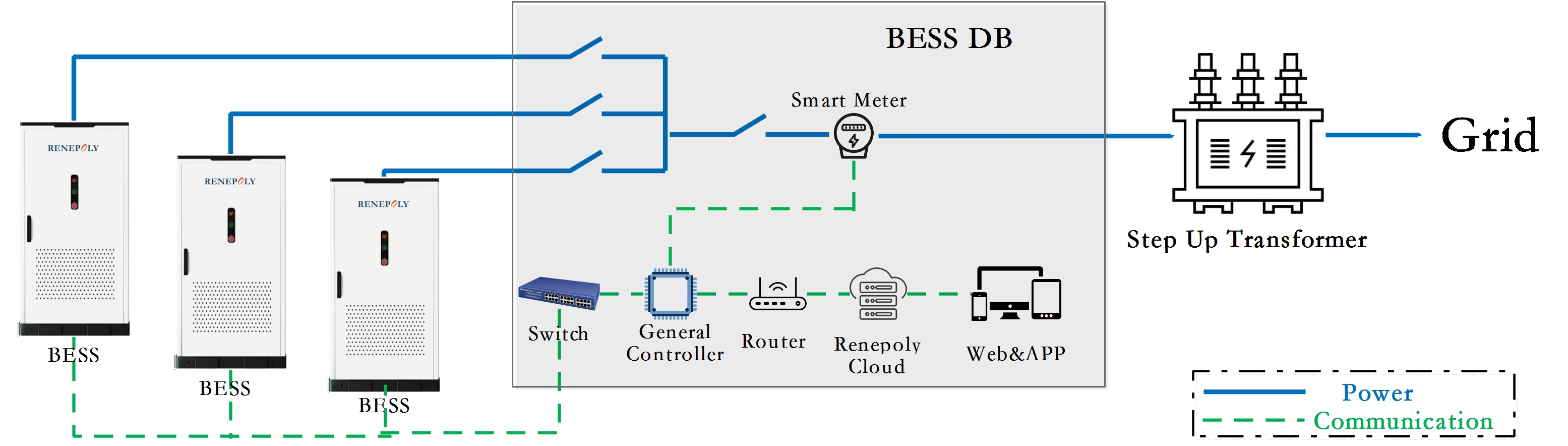
Frequency Regulation Solutions
Solutions Contribution
 Integrates grid, energy storage system, and smart energy management system.
-
Provides regulation of voltage, frequency, and power factor of the grid.
-
Enables intelligent management and automatic control of the whole system.
-
Meets regulation requirements from the grid using the energy storage system.
-
Reduces harmful pollutants, improving air quality and mitigating climate change.
-
Maintains low noise levels to minimize disturbance to surrounding areas.
-
Decreases overall operation and maintenance expenses due to low upkeep costs.
-
Achieves higher overall system efficiency compared to single-energy-source systems.
-
Complies with strict environmental regulations while ensuring reliable energy supply.